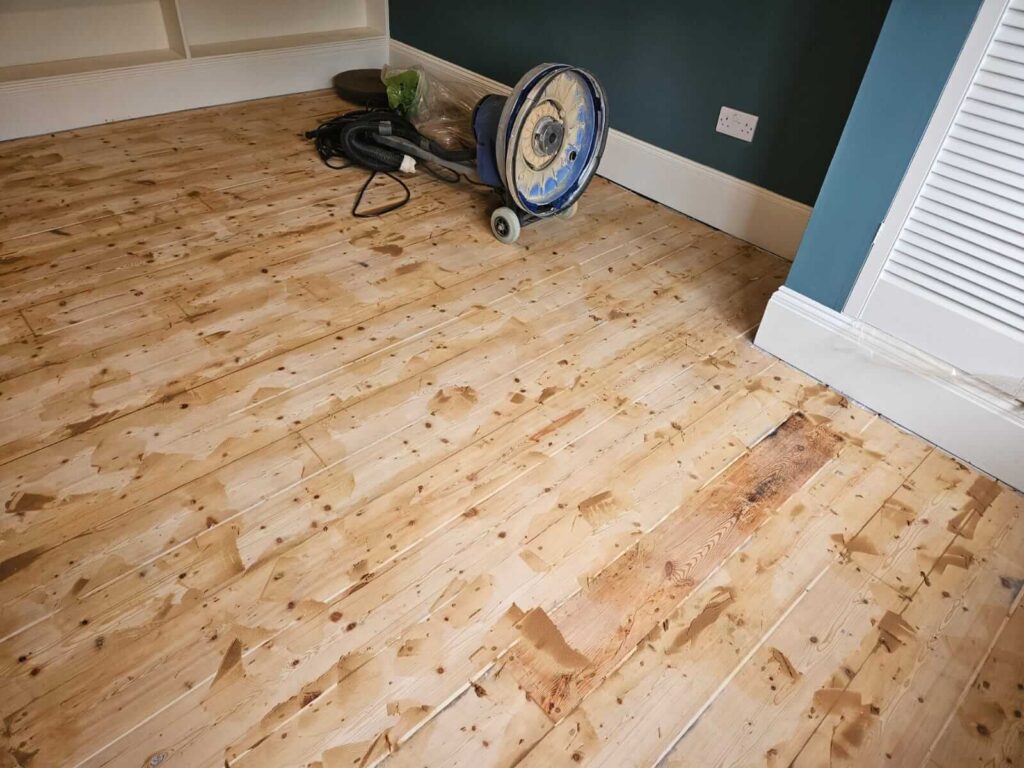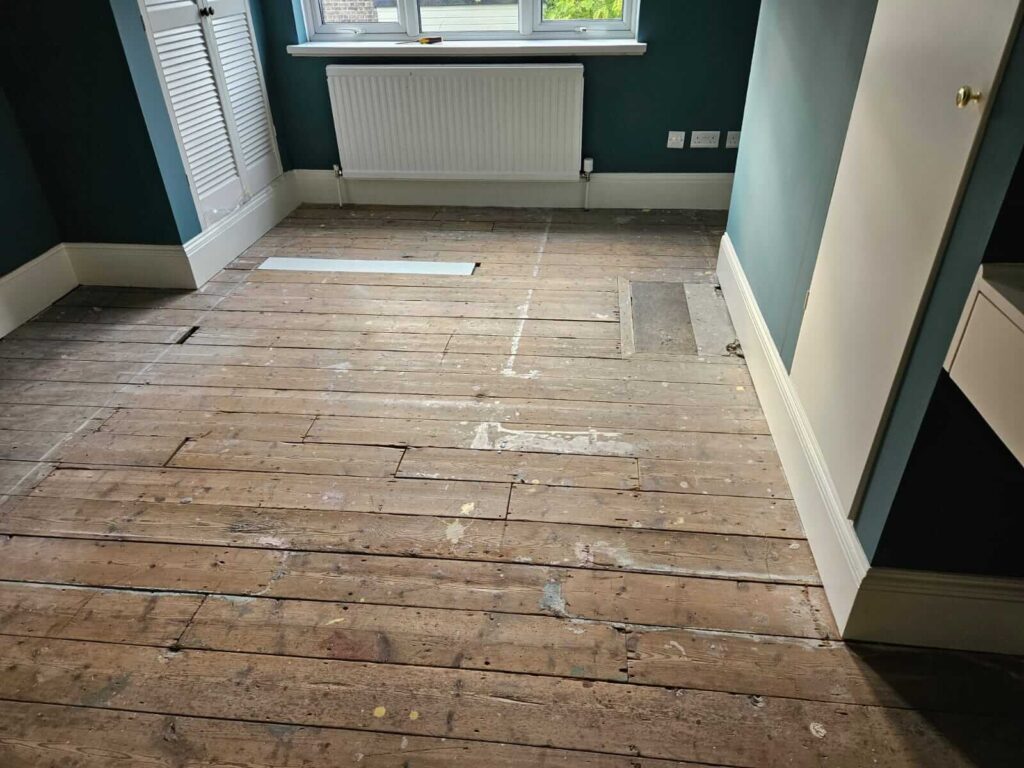
Hardwood floors are a timeless and durable flooring option, but they require proper maintenance to stay in top condition. One of the most common questions homeowners ask is: how often should you sand hardwood floors?
In this guide, we’ll cover everything you need to know — from ideal sanding frequency to key signs your floors need refinishing, and expert tips to extend their lifespan.
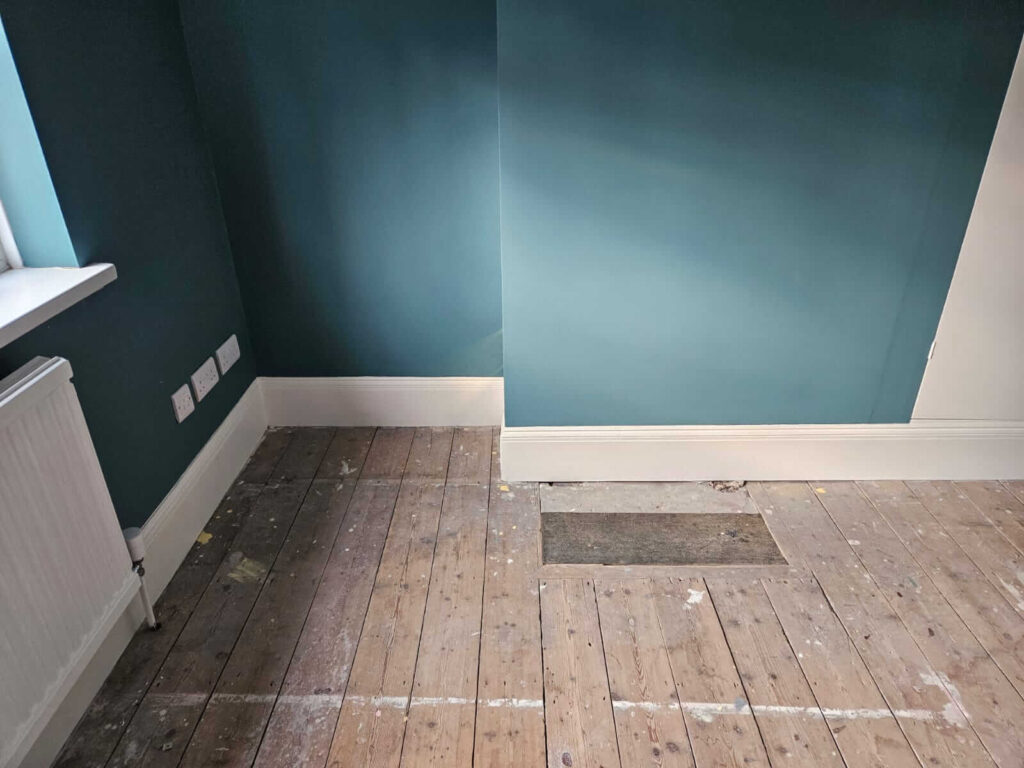
How Often Should You Sand Hardwood Floors?
On average, hardwood floors should be sanded every 7 to 10 years. However, this timeline can vary depending on several important factors such as foot traffic, floor type, and maintenance habits.
For high-traffic households, sanding may be required every 5 to 7 years, while low-traffic areas can go longer without refinishing.
Factors That Affect Hardwood Floor Sanding Frequency
1. Foot Traffic Levels
Areas like hallways, kitchens, and living rooms experience more wear and tear. The more people (and pets) walking across your floors, the faster the finish will wear down.
Tip: Use rugs and runners in high-traffic areas to reduce damage.
2. Type of Wood Flooring
Not all hardwood floors are created equal:
- Solid hardwood floors can be sanded multiple times
- Engineered hardwood floors have a thinner top layer and can only be sanded a limited number of times
Harder woods like oak and maple are more resistant to wear compared to softer woods like pine.
3. Floor Finish Type
The type of finish plays a major role in durability:
- Polyurethane finishes last longer and provide strong protection
- Oil-based finishes require more frequent maintenance
A high-quality finish can significantly extend the time between sanding sessions.
4. Maintenance Routine
Regular cleaning and proper care can delay the need for sanding. Dust, dirt, and debris act like sandpaper and gradually wear down the finish.
Best practices include:
- Sweeping or vacuuming regularly
- Using hardwood-safe cleaning products
- Avoiding excess moisture
Signs Your Hardwood Floors Need Sanding
If you’re unsure how often should you sand hardwood floors, look for these clear warning signs:
Visible Scratches and Dents
Deep scratches and dents that affect the wood surface are a strong indicator that sanding is needed.
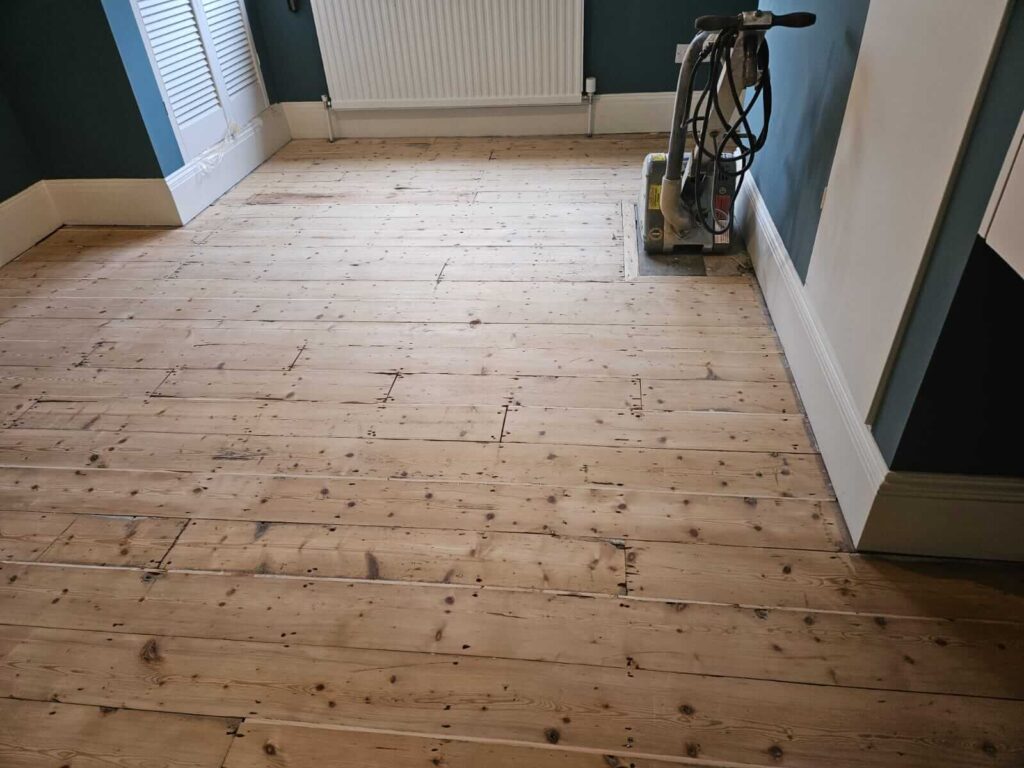
Faded or Dull Finish
If your floors no longer shine even after cleaning, the protective layer may be worn out.
Discoloration or Sun Damage
UV rays can cause uneven color fading, especially near windows.
Stains That Won’t Come Out
Persistent stains that penetrate the finish usually require sanding and refinishing.
Water Damage or Warping
Moisture damage can cause boards to warp or swell, often requiring more intensive restoration.
Can You Sand Hardwood Floors Too Often?
Yes — and it’s important to avoid over-sanding.
Each sanding removes a thin layer of wood. Most solid hardwood floors can be sanded 4 to 6 times during their lifespan, while engineered floors may only allow 1 to 3 sandings.
Over-sanding can weaken the floor structure and reduce its lifespan.
Alternatives to Sanding Hardwood Floors
If your floors are only lightly worn, you may not need full sanding. Consider these alternatives:
Screening and Recoating
A light buffing process followed by a new coat of finish can restore shine without removing wood layers.
Spot Repairs
Fixing specific damaged areas instead of sanding the entire floor can save time and money.
Polishing
Professional polishing can improve appearance and extend the life of your finish.
How to Extend the Time Between Sanding
Want to avoid frequent sanding? Follow these expert tips:
- Use furniture pads to prevent scratches
- Keep pet nails trimmed
- Clean spills immediately
- Maintain indoor humidity levels
- Place doormats at entrances
Proper care can extend the life of your hardwood floors by several years.
Conclusion
So, how often should you sand hardwood floors? The general rule is every 7–10 years, but the exact timing depends on usage, materials, and maintenance.
By paying attention to wear signs and following proper care practices, you can keep your hardwood floors looking beautiful for decades — without unnecessary sanding.
If you’re unsure, consulting a flooring professional can help you determine the best schedule for your specific floors.
If you need professional floor sanding in London, our specialists can restore any wooden floor.