
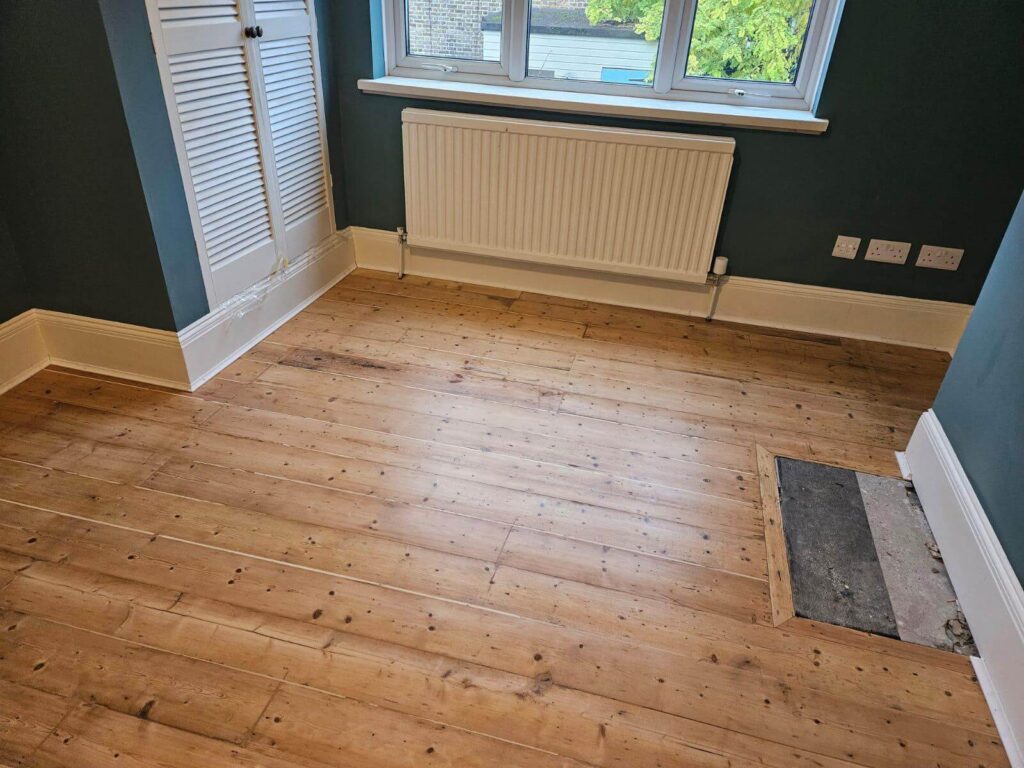
Floor Sanding vs Floor Replacement: Understanding Your Options
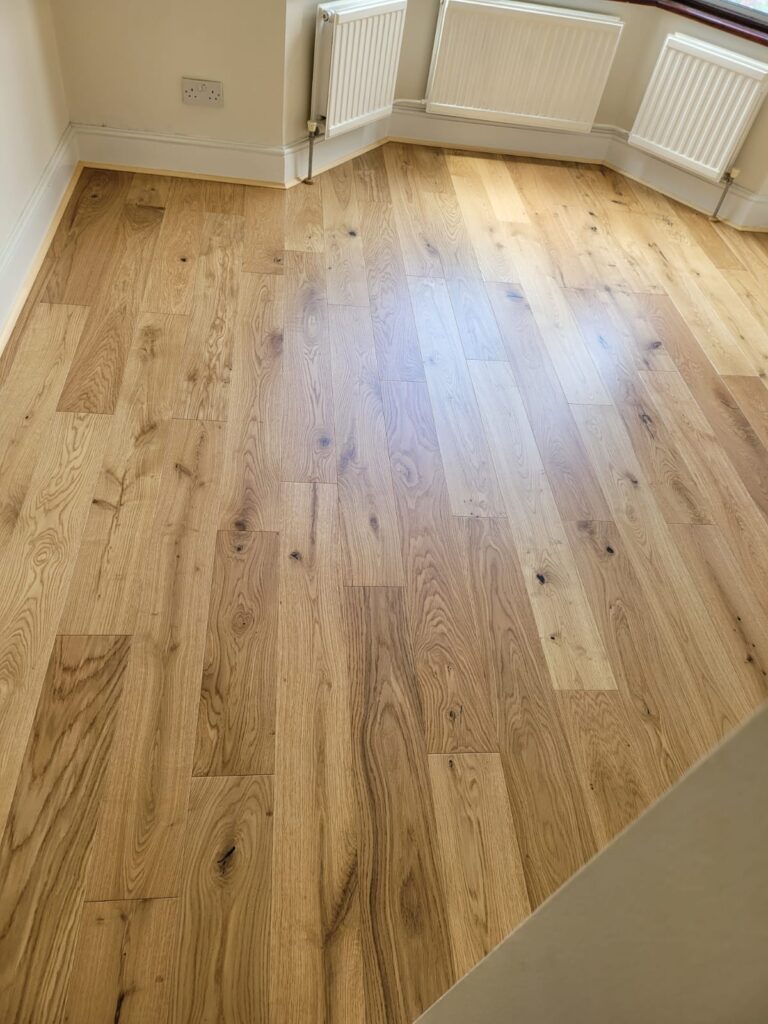
When your wooden flooring starts looking worn, scratched, or outdated, the biggest question is often: floor sanding vs floor replacement – which option is the better investment?
Many London homeowners assume that replacing an old floor is the only solution. However, professional floor sanding can restore the appearance of timber flooring at a fraction of the cost of a complete replacement. Understanding the pros and cons of floor sanding vs floor replacement can help you make an informed decision and potentially save thousands of pounds.
In this guide, we’ll compare costs, durability, environmental impact, and long-term value to help you choose the right solution for your property in London.
What Is Floor Sanding?
Floor sanding is the process of removing the top layer of a wooden floor using specialist sanding equipment. This eliminates scratches, stains, dents, and old finishes before applying a new protective coating.
Professional floor sanding can restore:
- Solid hardwood floors
- Engineered wood floors (with sufficient wear layer)
- Original Victorian floorboards
- Parquet flooring
- Pine floorboards
For many London properties, particularly period homes, floor sanding can reveal the natural beauty of original timber hidden beneath years of wear.
What Is Floor Replacement?
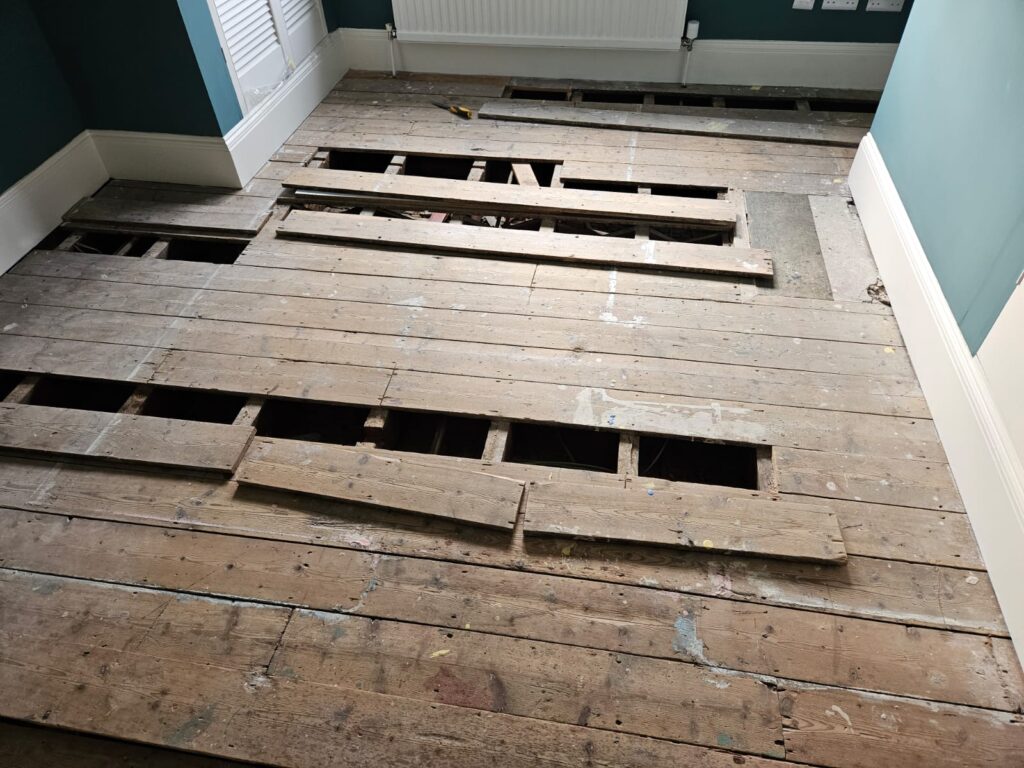
Floor replacement involves removing the existing flooring and installing entirely new materials.
This process may include:
- Lifting and disposing of old flooring
- Preparing the subfloor
- Purchasing new materials
- Professional installation
- Finishing and sealing
While replacement provides a completely new floor, it is significantly more expensive and disruptive than sanding.
Floor Sanding vs Floor Replacement: Cost Comparison
One of the biggest factors homeowners consider when comparing floor sanding vs floor replacement is cost.
Floor Sanding Costs in London
Professional floor sanding typically costs considerably less because the existing floor structure remains in place.
Benefits include:
- Lower labour costs
- No disposal fees
- No need to purchase new timber
- Faster completion times
Floor Replacement Costs in London
Floor replacement usually requires:
- New flooring materials
- Removal of existing floors
- Waste disposal
- Installation labour
- Additional finishing work
As a result, floor replacement can often cost two to four times more than professional sanding and restoration.
Winner: Floor Sanding
For homeowners seeking the most cost-effective solution, floor sanding is generally the clear winner in the floor sanding vs floor replacement debate.
Floor Sanding vs Floor Replacement: Appearance and Results
Many homeowners worry that sanding will not deliver the same visual impact as a new floor.
The reality is often quite different.
Professional floor sanding can:
- Remove decades of wear
- Restore natural wood grain
- Eliminate surface imperfections
- Allow colour changes through staining
- Create a like-new appearance
Modern sanding equipment produces remarkably smooth finishes that can make older floors look almost brand new.
When Replacement May Be Necessary
Replacement may be the better option if:
- The floor has severe structural damage
- Large sections are rotten
- Water damage has compromised the timber
- Previous sanding has reduced the floor thickness too much
In these situations, replacement becomes a practical necessity.
Environmental Impact: Floor Sanding vs Floor Replacement
Sustainability is becoming increasingly important for London homeowners.
When comparing floor sanding vs floor replacement, sanding is usually the more environmentally friendly option.
Benefits of Floor Sanding
- Reduces landfill waste
- Preserves existing timber
- Minimises material consumption
- Requires fewer resources
Drawbacks of Floor Replacement
- Generates significant waste
- Requires harvesting new materials
- Increases transportation emissions
- Consumes more energy overall
For environmentally conscious homeowners, floor sanding offers a greener solution without compromising quality.
Floor Sanding vs Floor Replacement: Property Value
Wooden floors remain highly desirable among London property buyers.
Refinished hardwood floors can:
- Improve visual appeal
- Enhance property value
- Create a premium appearance
- Preserve original character features
In many period properties across London, original timber flooring is considered a valuable selling point.
Replacing original floorboards with modern alternatives may actually reduce some of that historic charm.
This is another reason why many property experts favour floor sanding when evaluating floor sanding vs floor replacement.
How Long Does Each Option Last?
Floor Sanding Longevity
After professional sanding and finishing:
- Hardwood floors can last decades
- Surfaces can often be sanded multiple times
- Maintenance requirements remain relatively low
Floor Replacement Longevity
A newly installed floor can also last many years, depending on the material selected.
However, the lifespan advantage is often minimal when the existing floor is structurally sound and suitable for restoration.
When Should You Choose Floor Sanding?
Floor sanding is usually the best option when:
✔ The timber is structurally sound
✔ Damage is mainly cosmetic
✔ You want to save money
✔ You wish to preserve original flooring
✔ Sustainability is important to you
✔ You want minimal disruption
For most London homes with genuine wooden floors, sanding provides excellent results at a significantly lower cost.
When Should You Choose Floor Replacement?
Replacement may be necessary when:
✔ There is extensive rot
✔ Severe water damage exists
✔ The floor has major structural problems
✔ Multiple boards require replacement
✔ The existing flooring material cannot be restored
In these cases, replacement may offer the safest long-term solution.
Floor Sanding vs Floor Replacement: The Final Verdict
When evaluating floor sanding vs floor replacement, the best choice depends on the condition of your existing flooring.
For the majority of London homeowners, professional floor sanding delivers exceptional value. It is more affordable, less disruptive, environmentally friendly, and capable of producing stunning results that rival brand-new flooring.
Floor replacement should generally be reserved for situations involving significant structural damage or flooring that can no longer be restored.
If your timber floor is fundamentally sound, investing in professional floor sanding can transform your home while preserving its character and saving substantial costs.
Frequently Asked Questions
Is floor sanding cheaper than floor replacement?
Yes. In most cases, floor sanding is significantly cheaper because it retains the existing timber floor and avoids the costs associated with new materials and installation.
How many times can a wooden floor be sanded?
Most solid hardwood floors can be sanded multiple times throughout their lifespan, depending on their thickness and condition.
Does floor sanding increase property value?
Professional floor sanding can enhance a property’s appearance, improve buyer appeal, and potentially increase its market value.
Is floor sanding worth it for older London homes?
Absolutely. Many Victorian and Edwardian properties in London contain high-quality original timber flooring that can often be beautifully restored through professional sanding.
Contact us for an individual offer:
 +44 7448 006193
