
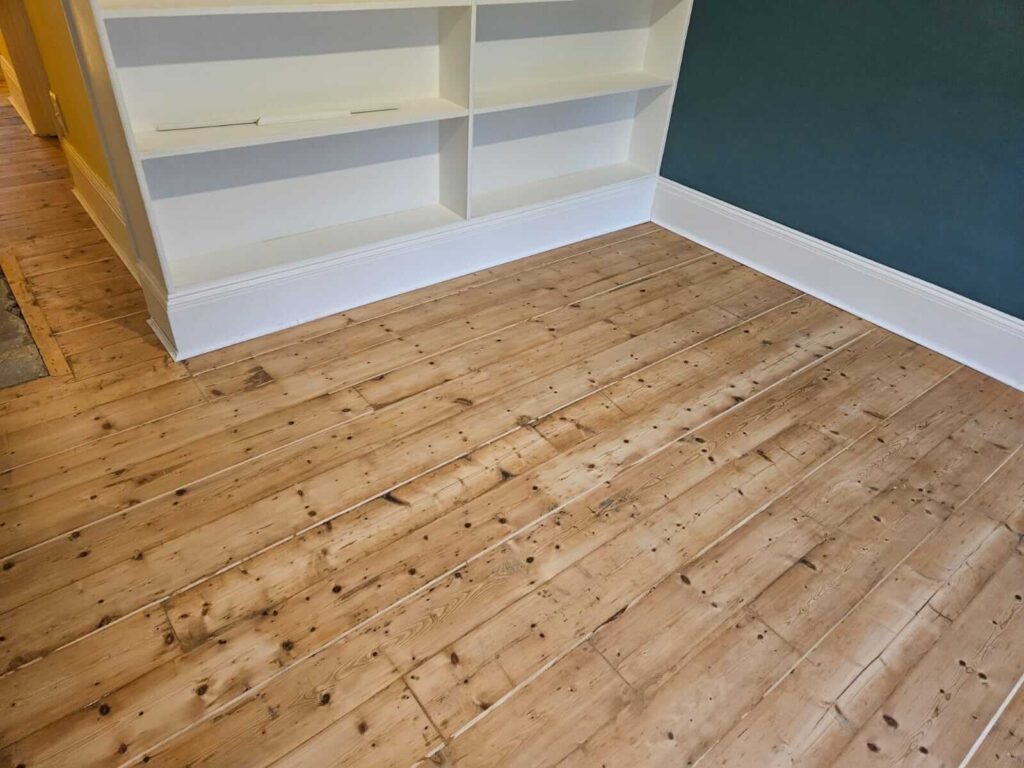
Floor sanding is one of the most effective ways to restore the beauty of wooden floors. Whether you’re renovating your home or maintaining a commercial space, a common question arises: how long does floor sanding take? The answer depends on several factors, including room size, floor condition, and the sanding process itself. In this SEO article, we’ll break down everything you need to know about floor sanding time, helping you plan your project efficiently.
How Long Does Floor Sanding Take?
When estimating how long floor sanding takes, it’s important to understand that no two projects are identical. Several factors influence the duration:
Room Size and Layout
The most obvious factor is the size of the space. A small room (around 10–15 square meters) may take just a few hours, while larger areas can take a full day or more. Open-plan layouts are typically quicker to sand compared to rooms with lots of corners or obstacles.
Floor Condition
The condition of your wooden floor significantly affects sanding time. Floors with deep scratches, stains, or uneven surfaces require more passes with the sanding machine, increasing the total time.
Type of Wood Flooring
Different wood types respond differently to sanding. Hardwoods like oak take longer to sand compared to softer woods such as pine. Engineered wood may also require extra care, which can extend the process.
Experience and Equipment
Professional floor sanding services often complete the job faster due to advanced equipment and expertise. DIY sanding projects usually take longer, especially if you’re unfamiliar with the process.
Average Time to Sand Wooden Floors
So, how long does it take to sand floors on average? Here’s a general guideline:
- Small room (10–20 m²): 4–6 hours
- Medium room (20–40 m²): 6–10 hours
- Large area (40+ m²): 1–2 days
Keep in mind, these estimates refer only to the sanding process. If you include staining and finishing, the entire project can take 2–5 days.
Step-by-Step Floor Sanding Process
Understanding the steps involved helps clarify why floor sanding takes time.
Preparation Stage
Before sanding begins, the area must be cleared of furniture and debris. Nails or staples need to be removed or hammered down to prevent damage to sanding equipment. This stage typically takes 1–2 hours, depending on the room.
Sanding Process
The actual sanding is done in multiple stages:
Rough Sanding
This is the first pass, using coarse sandpaper to remove old finishes and level the floor. It usually takes the longest time.
Medium Sanding
A finer grit is used to smooth out the surface and remove scratches from the rough sanding stage.
Fine Sanding
The final sanding creates a smooth, polished surface ready for finishing.
Each stage adds to the total floor sanding time, especially if multiple passes are required.
Cleaning and Inspection
After sanding, the floor must be thoroughly vacuumed and inspected for imperfections. This step ensures a flawless finish later on.
How Long Does Floor Sanding and Finishing Take?
If you’re wondering about the full process, including finishing, the timeline extends further.
Applying Finish
After sanding, a protective finish (such as varnish or oil) is applied. Each coat typically takes a few hours to apply and 24 hours to dry.
Drying Time
Most floors require 2–3 coats, meaning drying time alone can add 2–3 days to the project.
How Long Does Floor Sanding Take?Total Project Duration
In total, floor sanding and finishing usually takes:
- Small project: 2–3 days
- Medium project: 3–4 days
- Large project: 4–5 days
DIY vs Professional Floor Sanding Time
DIY Floor Sanding
If you choose to sand floors yourself, expect the process to take longer. Without professional tools and experience, even a small room may take an entire day or more.
Professional Floor Sanding
Hiring experts can significantly reduce the time. Professionals often complete sanding faster and more efficiently, delivering better results in less time.
Tips to Speed Up Floor Sanding
If you want to minimize floor sanding time, consider these practical tips:
Prepare the Area in Advance
Remove furniture and clean the space before starting. This reduces delays during the preparation stage.
Use High-Quality Equipment
Modern sanding machines are more efficient and can cut down the time significantly.
Fix Floor Issues Early
Repair damaged boards or loose nails beforehand to avoid interruptions during sanding.
Hire Professionals
For larger or complex projects, professional services can save both time and effort.
Common Mistakes That Increase Sanding Time
Avoiding these mistakes can help you stick to your project schedule and not constantly ask yourself how long floor sanding takes:
- Skipping sanding stages
- Using the wrong sandpaper grit
- Not preparing the floor properly
- Over-sanding certain areas
These errors can lead to uneven results and require rework, increasing the total time.
Conclusion: How Long Does Floor Sanding Really Take?
To summarize, how long does floor sanding take depends on several variables, including room size, floor condition, and whether you hire professionals. On average, sanding alone can take a few hours to a full day, while the complete process with finishing typically lasts 2–5 days.
Planning ahead and understanding the process can help you manage expectations and achieve the best results. Whether you’re tackling a DIY project or hiring experts, knowing the timeline ensures a smoother and more efficient floor renovation experience. Contact us for an individual offer for floor sanding.
